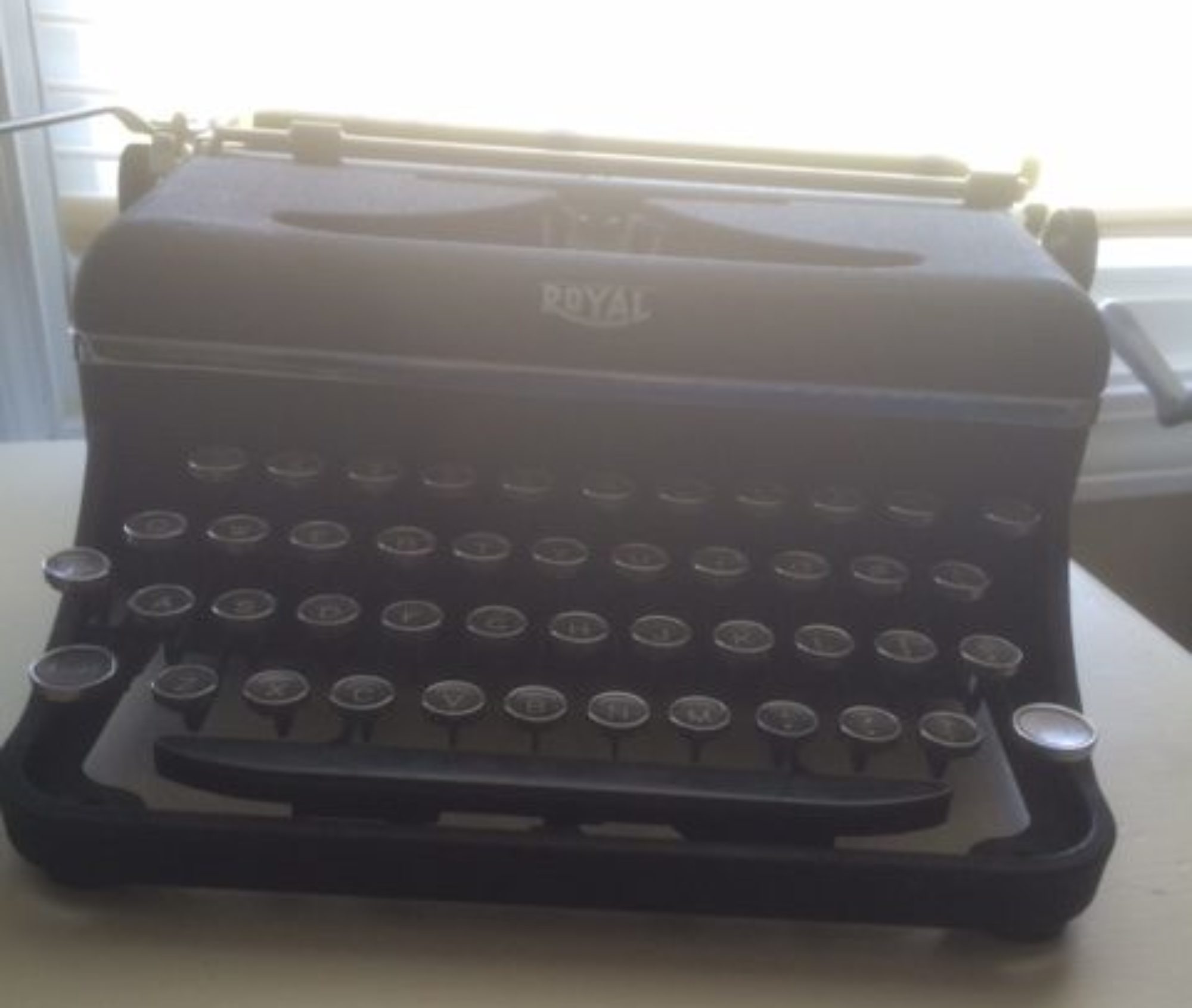

Christmas is here, and it seems hard to believe another year is drawing so quickly to a close. In many ways, it is bittersweet looking back on a year that for many, was filled with heartache and unimaginable loss. Wildfires ravaged homes and took lives in California, hurricanes ripped through the Carolinas and the Florida Panhandle, and senseless mass shootings claimed more innocent lives.
Somehow, the resilience of the collective human spirit remains strong in the wake of such horrific devastation. At Christmas time this year, spreading love, kindness, and compassion seems more important than ever. So does spending time with family and friends and finding ways to show them how much they matter.
One tradition I’ve held dear for the past nine years is an annual Christmas chat with my friend Gilles Marini. It’s been a big year for Gilles and his family. As always, he credits his loving and beautiful wife, Carole, for keeping their busy, hectic lives running smoothly. He also marvels at all his son Georges has achieved in college and how much his daughter, Juliana, has grown.
The Marini family supports multiple charities throughout the year. Despite maintaining a rigorous schedule on the set of “Days of Our Lives” this past year, Gilles is always looking for ways to encourage and support others. He rode in the first-ever European Kiehl’s LifeRide for amfAR which culminated in the LifeBall. He shared that he’s shooting the campaign for next year’s LifeBall, for which he’s wearing red, which symbolizes a straight person’s support for the LGBTQ community.
He also had a life-changing experience shooting the upcoming World War II film, “Waiting for Anya,” which based on a British novel by Michael Morpurgo. Directed by Ben Cookson, it also stars Jean Reno and Anjelica Huston and is slated for release in 2019.
Gilles and I covered a lot of ground during our conversation. As always, he was charming, witty and ever-the-gentleman. We compared notes on our kids, talked about his Christmas plans and discussed our mutual belief recent Golden Globe nominee Rami Malek deserves a Best Actor Oscar for his riveting portrayal of Freddie Mercury in the Queen biopic film, “Bohemian Rhapsody.”
Gilles generously shared photos with me, which are included below, along with a condensed version of our conversation.
Lori Melton: It’s been a rough, crazy year and my heart has been with you and everyone out in California. Were you guys affected by the fire?
Gilles Marini: I think we are all affected in a way and some people lost absolutely everything. Even worse, some have died in those fires. Now, mudslides and so on and so forth – it’s been very simple to find a way to point fingers at what the problem is, but it’s more like a very bad cycle of things. Fires are more predominant now than ever.
What happened is scary. It’s more than horrific. I don’t know what to say – having it rain down. It’s not a movie. In our mountains this arsonist I think lit up nine fires. He got caught of course.
LM: That was horrible!
GM: Yeah, that was wrong! It’s already very hot, we have a big problem with water and on top of everything else, you have someone completely insane lighting these fires. When I want to do a campfire at my property on the mountain, I don’t need paper or fuel. I don’t need to add anything. It’s extremely dry and very dangerous. So, I’m clearing a lot of trees.
I know a ranger who came to my property once – I showed him what I did, it was very clear and he said very nice, well-protected. He knew I was a firefighter so we exchanged a lot of ideas and stuff. But, he told me, if it’s a brush fire, my house might be safe. If it’s a canopy fire, where trees are on fire all the way up, there’s no way you can stop it.
So, I’ve gotta be aware of that when I’m at the cabin every time. You go to sleep at night and it’s a beautiful, peaceful place. But you always have an ear open for the sound of something bad coming toward you and possibly eradicating you in 20 minutes. So, everybody’s affected by it and some people much, much more.
LM: Will you go to the cabin again this year for part of Christmas?
GM: Yeah, I’m going on Wednesday, I’m going to spend a couple days over there. I’m going to build a floating bed. I recoup a lot of people’s trash and I got some nice rectangular pallets – so I’m going to make a floating bed. It will be sweet. It swings around and at the same time you can take a nap if you want outside. It’s going to float like a hammock, suspended.
I’m also going to relax, unwind a bit, think about what’s next, think about writing, creating, producing. The movie “Waiting for Anya” will probably come out very soon.
LM: That was probably one of your more challenging roles emotionally. What was the experience like?
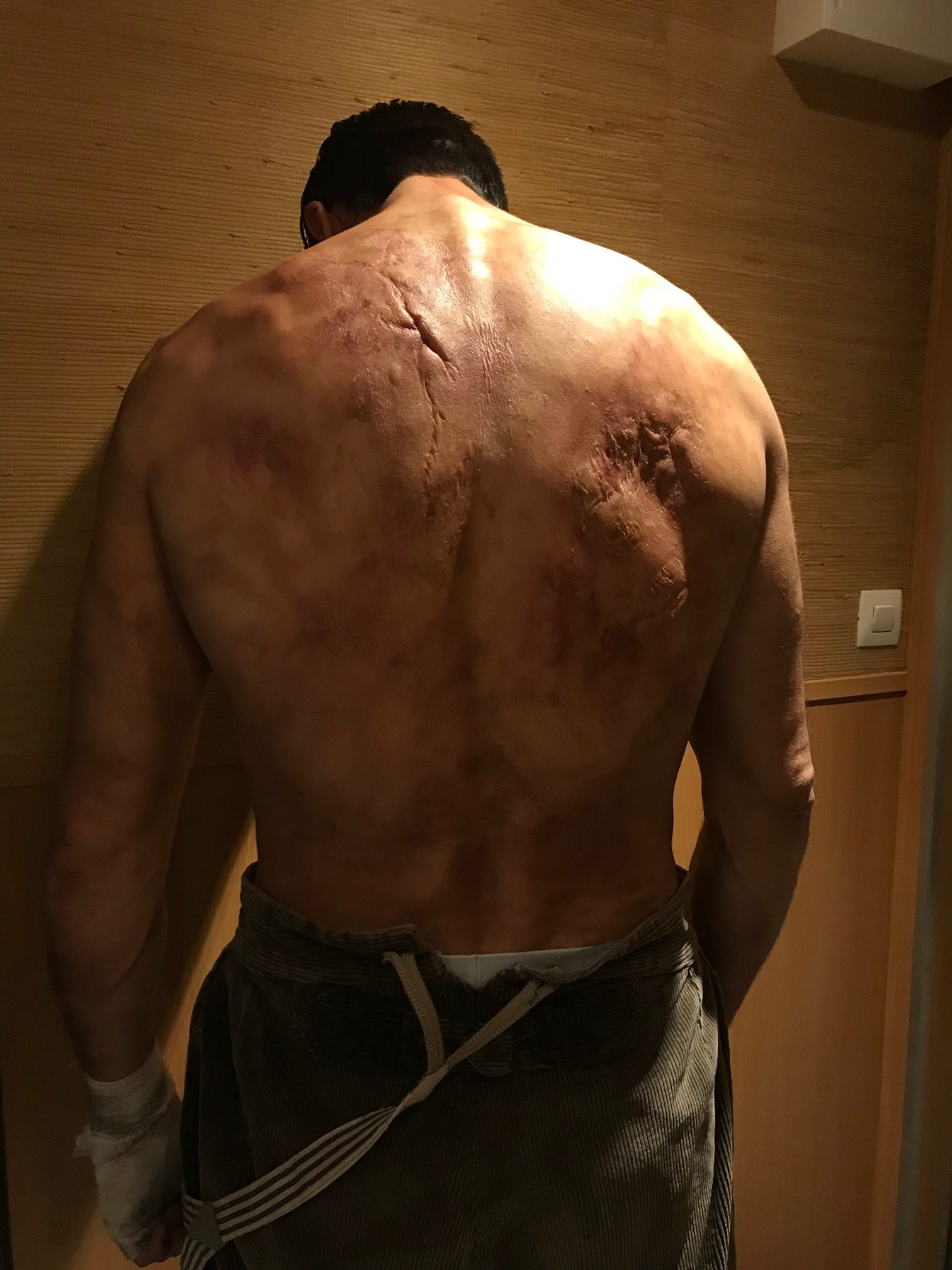
GM: It was probably one of the best things that’s ever happened to me. The experience changed me – it’s very difficult to explain how it changed me mentally and physically, of course, because I lost so much weight for it. It’s still very difficult to talk about the film because I get emotional. I got in touch with old ancestors and the family members of the people that lost their lives or fought and did what they did.
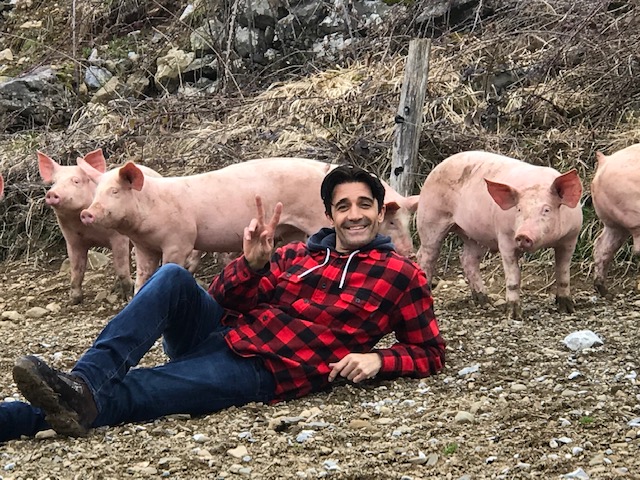
I think the movie’s about how you can do something heroic and no one needs to know. Decades later, a young 11-year-old girl comes to a guy in the village – she recognizes him as a very famous writer and says, “You need to see my Grandpa. He’s got a great story about the war.”
That’s how the whole thing started. A car broke down and a guy met a little girl who said you’ve got to meet my grandpa. I think they saved 7,500 children from the war in this region. Those people are so real. Those men and women were real people.
They were working, never a day off. Never a vacation, never any amusement except being a shepherd. I think they really thought what they did was normal. It was nothing heroic, it was just – that’s what needs to be done. That’s why through the war, nobody said, “Hey, we did this!”
LM: It’s a big change seeing your first child go off to college. What differences do you notice in your kids?
GM: The biggest differences between a couple years ago, not long ago and now is very simple. They need us less. Carole has had such a hard time not having our son at home. She’s doing everything in her power to help Georges when he’s away, more than if he was at home. Then she realizes, “Oh my God, he’s completely fine.”
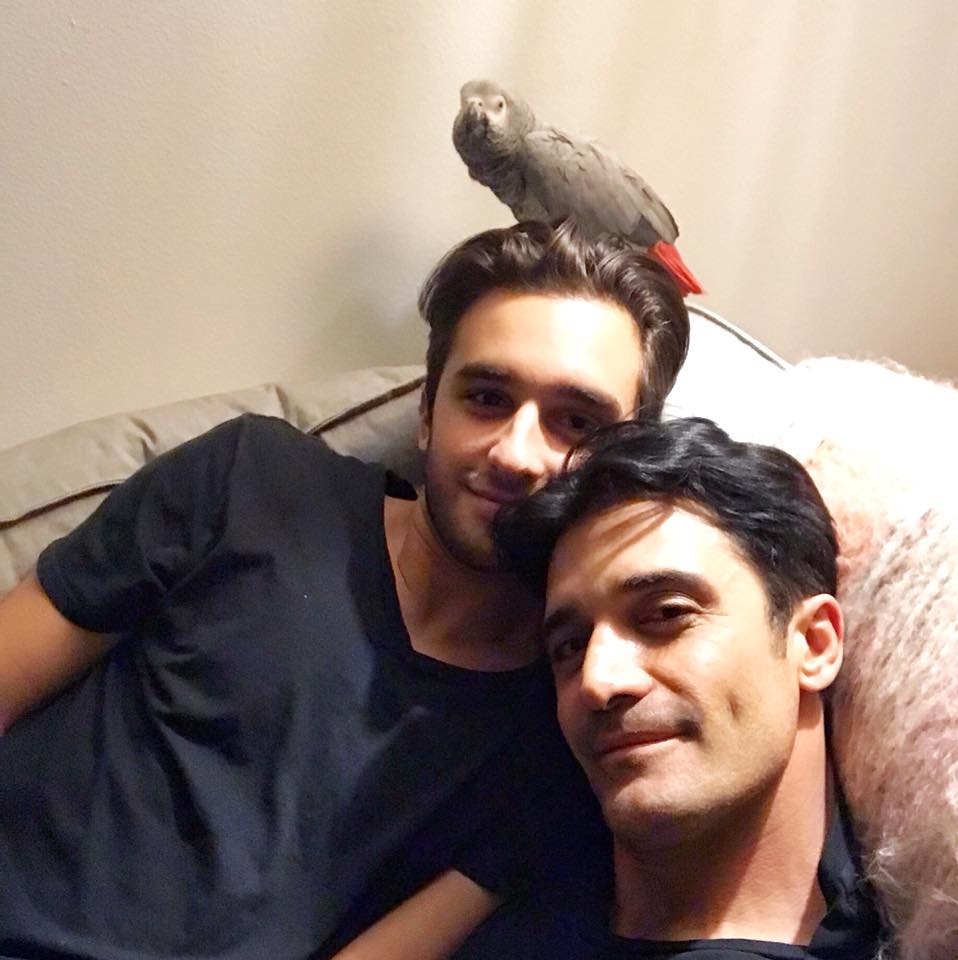
As a kid, Georges always needed to work really hard to get good results. It didn’t come to him easy. Next thing you know, he has all these As and a couple Bs and he’s feeling like a champ because he’s independent, he’s choosing to do whatever he wants to do, whenever he wants to do it.
So, his mind is in the right place and he’s dedicated to making something out of his life. I think, my son doesn’t need me anymore. For the rest of my life, I’m going to put my head on his shoulder more now, instead of him putting his head on my shoulder. It’s really special.
LM: What does he want to do?
GM: He wants to be a Special Agent in the FBI and a profiler. – Everything criminal justice, profiling serial killers. He’s never liked the bad guys, he never will and he’s very straight-minded.
LM: That’s incredible!
GM: This generation they look, they think, they’re smarter than we were, they go faster, they’re going to make the world a beautiful place.
LM: Juliana did a beautiful thing taking you to dinner when you were down on the anniversary of your dad passing – that was so precious.
GM: It was! It’s super hard for me to talk about it. When I think of my dad, I become a young man again, a teenager, I become very fragile and I become like a child again. I think she sees and feels that, and she becomes like a mom in a way. She’s like, “Let me take over.” So, she did it and Georges did it on national television. So, it was a little bit rougher for me. He just completely surprised me and made me feel special.
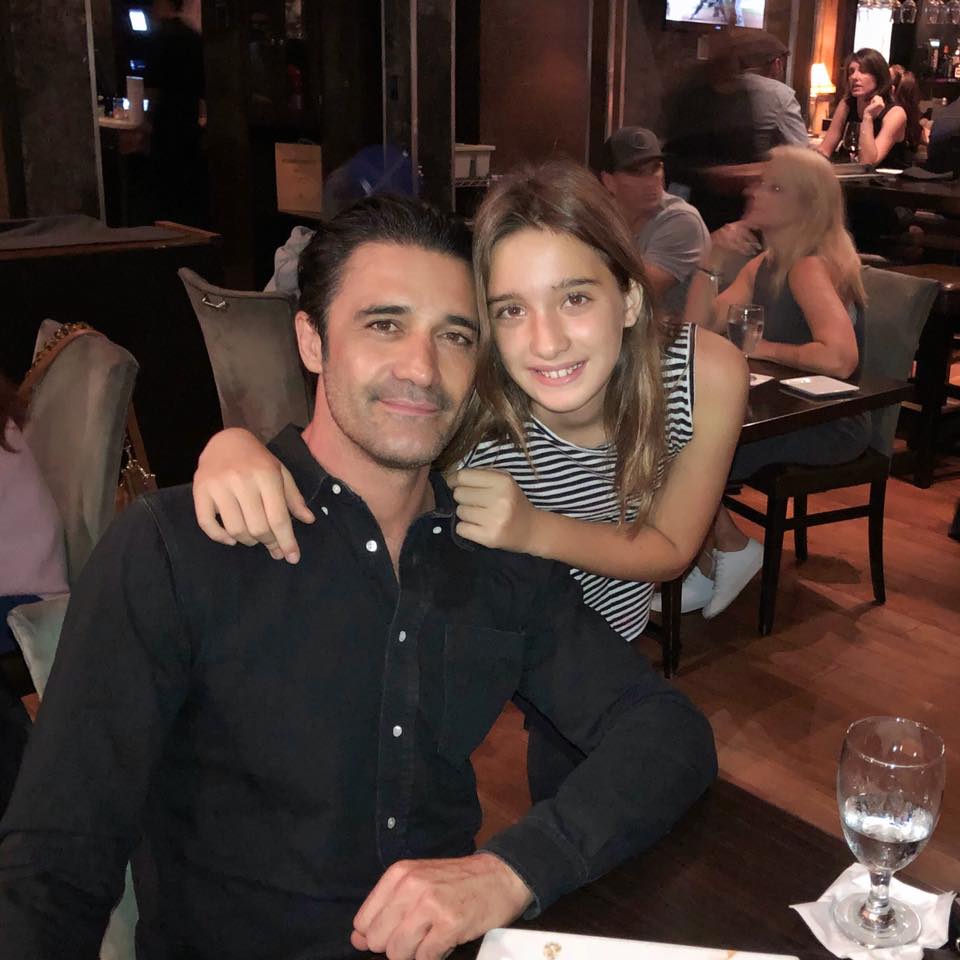
Somebody asked me something a couple of days ago, “How do you feel about your life so far?”
I think I answered, “If tomorrow I die, (of course I don’t want that to happen), I’m only going to die with a smile on my face.” My father didn’t have time to enjoy life. He just worked really hard and then died at 44.
I really thought about it and man, look at this short, but incredible life I’ve had so far. I’m so blessed. I started very humble with nothing but a French bull dog in the streets of Miami. It’s not conventional but I thought, “You’ve done some cool stuff” – and I have no regrets.
LM: Is Juliana still helping kids?
GM: One day I asked Juliana why she stayed late at school and she said, “I’m taking care of kids with difficulties at school.” So, my daughter kind of does this as a calling. Every time she sees someone struggling with studying, or it could be a kid with Down Syndrome, or whatever the issue or challenge they have, she tries to become the cool, super sweet and understanding friend and tries to help them at every level. So, she’ll stay after school or spend recess doing that.
My good friend Manny’s little boy Eddie has difficulty when it comes to speaking and stuff. Juliana is like his big sister. She creates games for him – she loves doing it! She wants to be a singer and she’s taking lots of classes. She’s really good at it! But, if she doesn’t end up having a career in entertainment, maybe she’ll have a career taking care of kids with disabilities. Did I say she’s only 12?
LM: Is she still involved with Kelly Stone’s organization?
GM: Of course. Last week they wrapped like 12,000 gifts. It’s insane. Juliana is doing that and more. She’s always like that! I couldn’t do it this year because I had nine episodes to shoot, so I was completely stuck. Carole went, and it was really nice.
LM: Well, I know you have such a compassionate soul.
GM: Thank you, Lori. Being nice and compassionate is just common sense. It shouldn’t be like, “Congratulations.” It should be like, “Hey, you’re a normal dude. If only everybody would be that way.”
I think I’m not doing anything special. I’m sitting next to my closest friend in the United States, Kevin, he’s sitting right next to me. If I’m in the woods and broke my finger and I could call 50,000 people and 911, he would be there in an hour, even if it’s a 2-hour drive. I’m so not alone, in that boat.
There’s a lot of very good people in the world. If we put a percentage, there’s 90 percent of very good people and 10 percent bad people and those 10 percent make a lot of noise and discourage us to be good people. But, we are all human beings and would not survive if we’re not good people. But we are, we all are.
I was very young with my brother and we were pushed away like dirt by this famous artist. He was like the De Niro and Pacino of France. He was playing bocce ball and my brother and I saw him at like 5 and 7 years old. We went toward him with a piece of paper and a pen we got from the restaurant asking him “Can you please sign an autograph? He literally put his hand on my brother’s shoulder and shoved him and said, “Shoo, shoo!”
LM: That’s terrible!
GM: Keep in mind, we didn’t grow up in a place that was all roses and petals. We turned back and looked at him and we were like, “We’re so done.” That’s how people in this industry can be. Just because they’re one of the 10 percent of people you cross one day in your life, doesn’t mean we’re all bad. I think I have the responsibility to encourage people to do the things they want to do in life. Because we live every day sweetheart, dying is only one time.
LM: Is your brother here with his kids?
GM: Yes, he lives here in Los Angeles. It’s interesting to see kids from your family and how close and how different they can be at the same time. You need to make them feel special. You can’t just say good night and put them to bed — I’m sure some people have no choice because they’re working so many different hours.
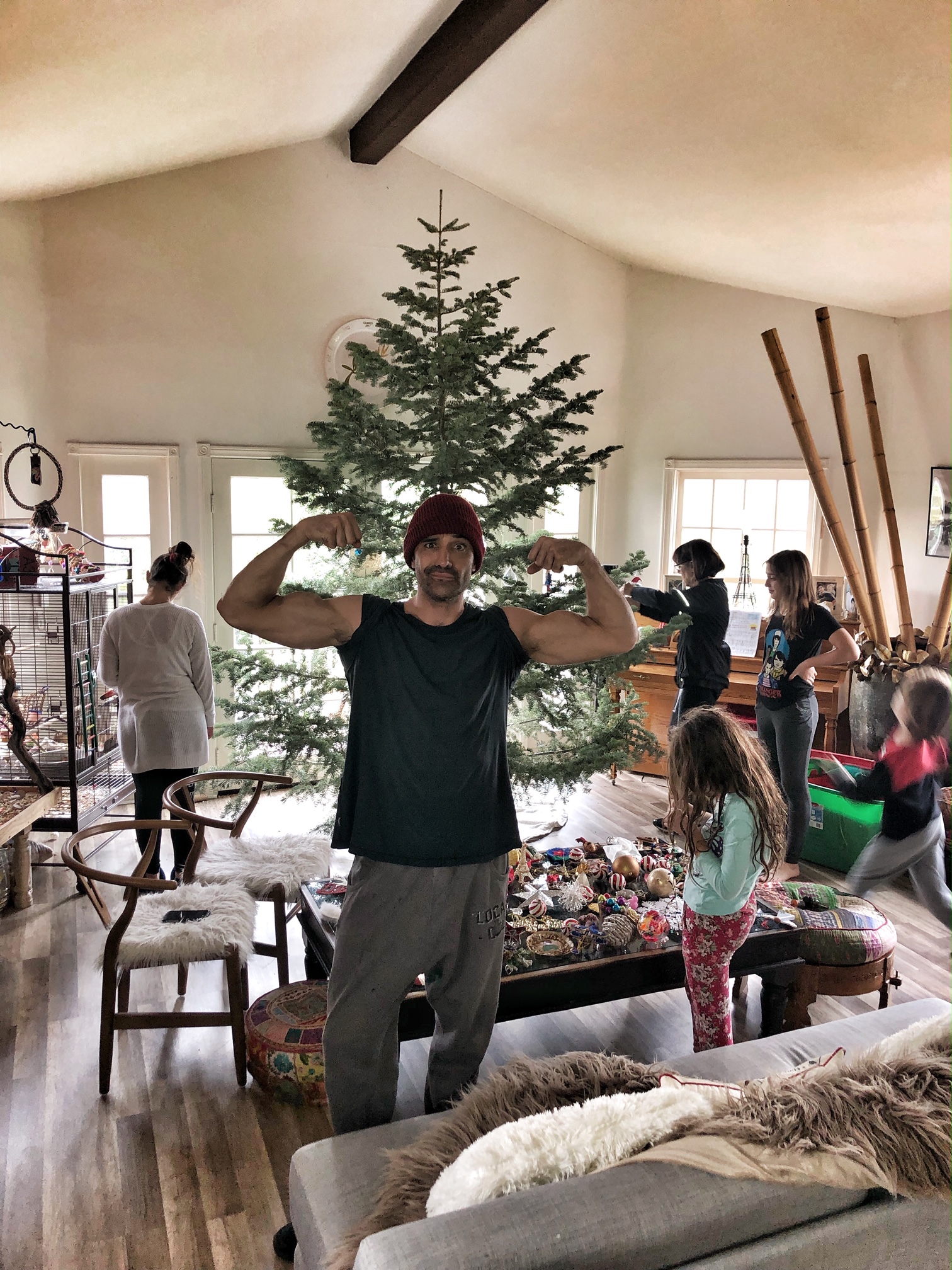
I think it’s important to bug them, to make them feel like your child and feel like you’re part of their life somehow and feel like they can count on you. It doesn’t take much, but I do this with amusement and fun versus education and rigid communication. I want them to have good times. Hopefully, they’ll show that good time to everyone else and make them smile.
LM: You were putting up decorations last weekend. What kind do you put up? I know you did your tree. Do you do lights inside and out?
GM: Yes, we did our tree. The outside lights didn’t go up this year because we have construction next door. We did Halloween and we did Thanksgiving. Christmas, we have this tree that is so big, that I popped out the L4 in my lower back. Like 5 days, I can’t work out. I’m functioning. But, I can’t go and roll around in Jiu jitsu or the gym.
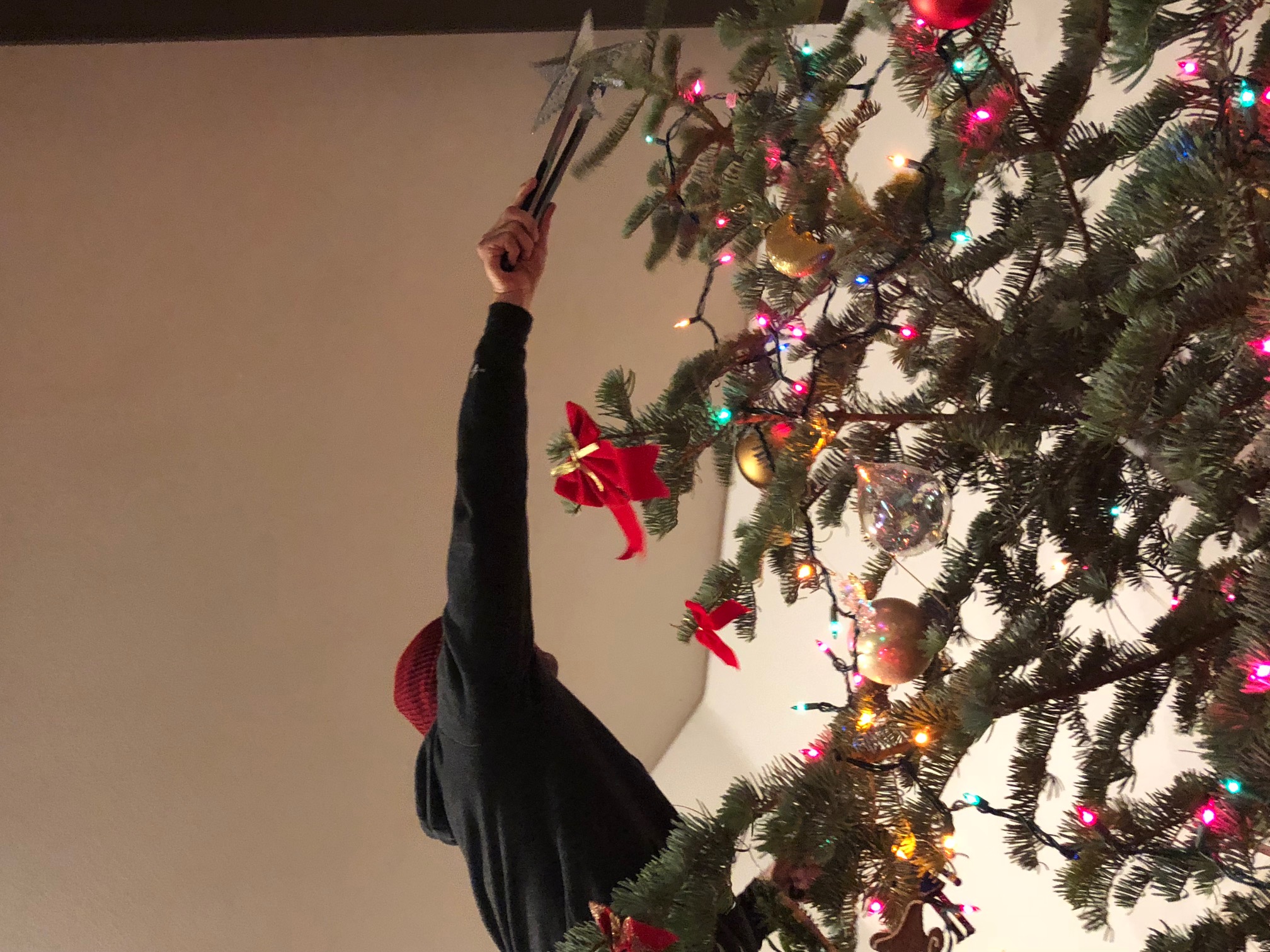
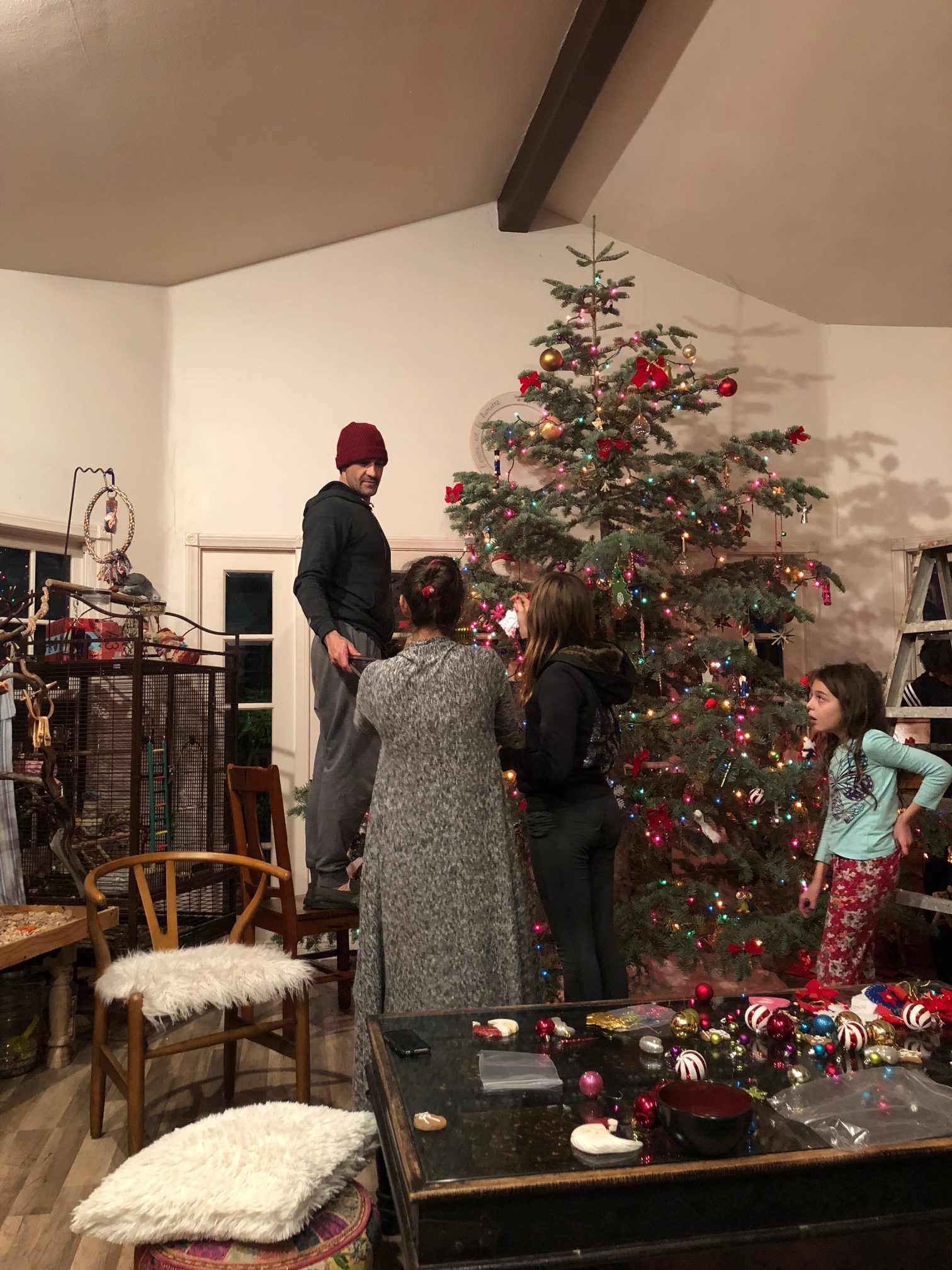
I thought I was cutting a normal size tree at my cabin, but it was a 12-footer. It wouldn’t fit in the car. I can’t believe I didn’t get pulled over. The truck that I took, the regulation was fine – it just looked ridiculous.
I drove it back, we yanked it out of the car. We set it up, it fell twice. It was so tall I had to take a ladder, climb the ladder and I had barbecue tongs with me trying to reach the tip of the tree. The tree is magnificent and the trees on my property, they smell like lemons – it’s a noble fir and smells like lemons.
LM: What are you most looking forward to for Christmas this year?
GM: I’ve got to say I’m excited to have my son back home. He’s coming back Wednesday, I might not see him immediately because I’ve got to go to the cabin to make sure everything is good up there. Then he’s going to meet me up there, we’re going to shoot BBs and go on the ATVs – having dad and son time a couple days would be fun.
LM: Do you guys listen to any specific Christmas music?
GM: We say “Alexa, play some holiday songs” and then Mariah Carey comes up and I remember I was very much in love with her when I was a kid. That’s how we listen to our holiday music – the technology is really awesome.
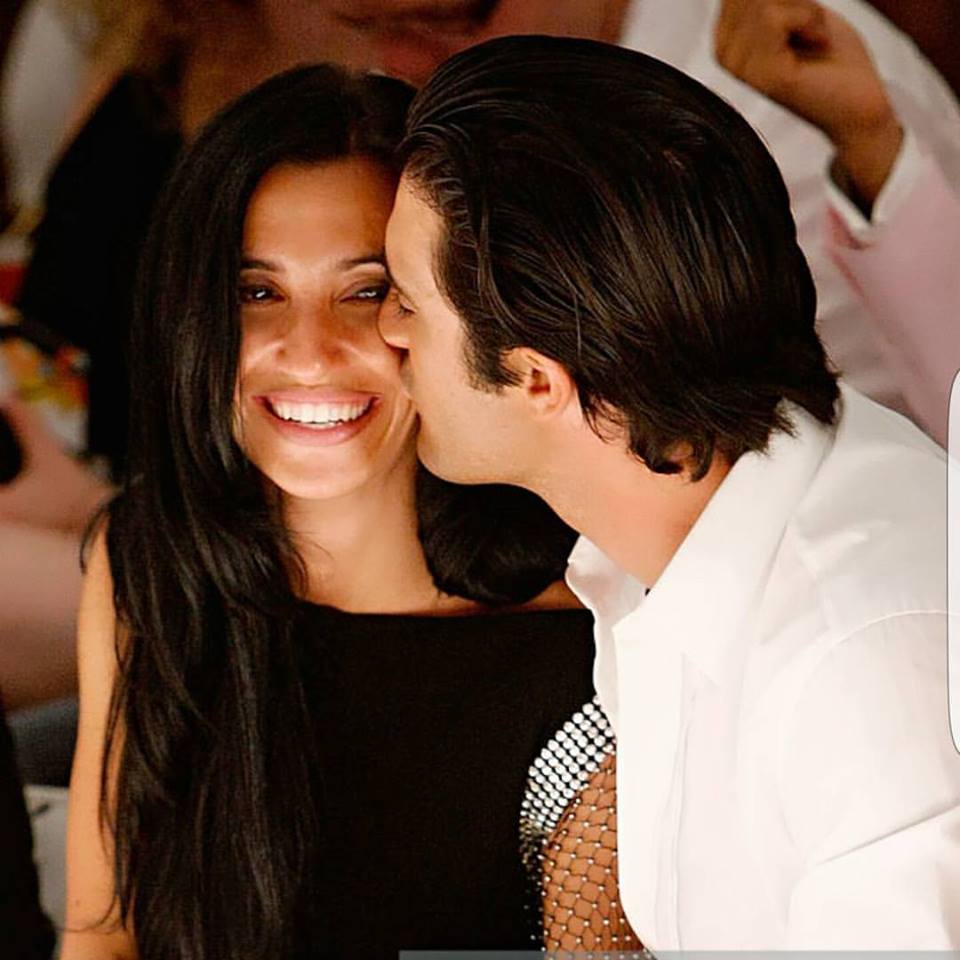
LM: Shifting gears, didn’t you once say your father was a huge Queen fan?
GM: My father had 3 favorite groups, Queen, Dire Straits and Pink Floyd. Obviously, I had that in my ear growing up. Pink Floyd was a little less than Queen and Dire Straits.
He loved Queen. I was 14 years old and Queen was already on. I went to a place with ski slopes, we went to the Olympics that year, and my father took us on the only vacation we’d ever been together, and this is when I’ll always remember Queen. It was “Bohemian Rhapsody” everywhere and I met a girl and we both absolutely loved Queen. That’s something that has always kind of stuck in my mind. I’ll always remember the band for bringing happiness to my childhood.
This guy is special, I saw the movie of course.
LM: I know! What an incredible job Rami Malek did playing Freddie Mercury!
GM: He embraced it fully. The first thing I look at is the eyes of an actor. The movement and everything else is one thing. But inside his eyes, he was completely immersed in being Freddie Mercury. I believe he was in character the entire time. It was beautiful to see.
That’s why I tweeted something about it. I know nobody can feel what I feel inside but I think that was the documentary I always wanted to see. Everybody knew Freddie Mercury as the artist, the eccentric. But really, very few people even knew his name was Farrokh. It’s interesting he kept a lot of things secretive. I wanted to know how they started and how crazy amazing it was.
I think it’s a lot of work, what the young man went through, transformation-wise, his thoughts, process. And, giving such a statement that will always be cherished by millions and millions of Queen fans. It was remarkable. He deserves the Oscar.
LM: Yes, he does! I agree, it was just incredible!
GM: This movie gives me closure. I would love for Freddie Mercury to be a little bit more open. Of course, we can talk about it now. I remember the time when AIDS was more than a death sentence. You were the one with leprosy. You were the one that would be killing everyone around you.
People would freak out. In my neighborhood, if somebody knew you had AIDS, you’d be in trouble. You became a very big problem. In my neighborhood, they thought they could transfer AIDS to the people.
On one hand, I wish Freddie Mercury came out and said this is who I am, — he didn’t have to tell us, but, it would have been great for people who needed a super hero. Like what Magic Johnson did, a super hero.
I have closure because I have a better sense of what his family was. I understand your story and I get you. Your childhood and everything is who you are. I understand this is a culture where it isn’t easy to come out and say anything. Toward the end he did and then he passed away. After watching the film, I think he did what he needed to do. I will always cherish the artist and the person.
LM: With all your tireless work for amfAR you have a very invested perspective.
My personal experience with AIDS was more young men in my neighborhood dying rapidly. They were not gay or prostitutes. They were straight, young drug addicts, who could spread it by sharing needles.
A lot of people made a lot of bad choices and then Elizabeth Taylor showed us with a snap of her fingers how we should do things. Sharon Stone was next. We’re still not understanding everything properly. AIDS is not a thing of the past. It’s now. We’re thinking pharmaceutical companies just have to sell pills for people to survive.
I don’t know about you, but I don’t want to just survive, I want to live. 35 million people are living with HIV and only 5 million have access to medicine. How about we race to find a cure and the vaccine?
LM: How was the European LifeRide?
GM: We went to Switzerland, Germany, Austria, and we did the LifeBall. I’m shooting the campaign for the next LifeBall. I’m doing this campaign as the red color, which is the color of the straight men supporting the LGBTQ community. I’m working with an incredible photographer and designer and it’s going to be a beautiful campaign. I’m very excited to shoot it and see it next summer in Vienna.
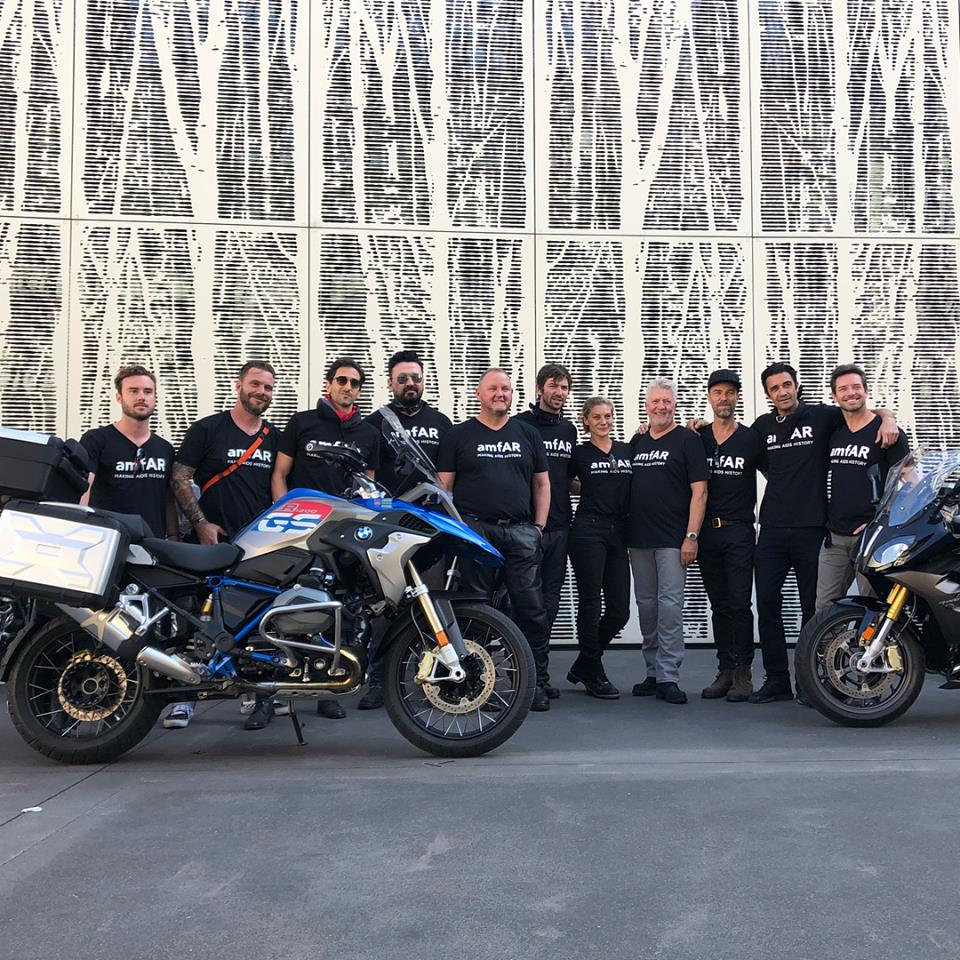
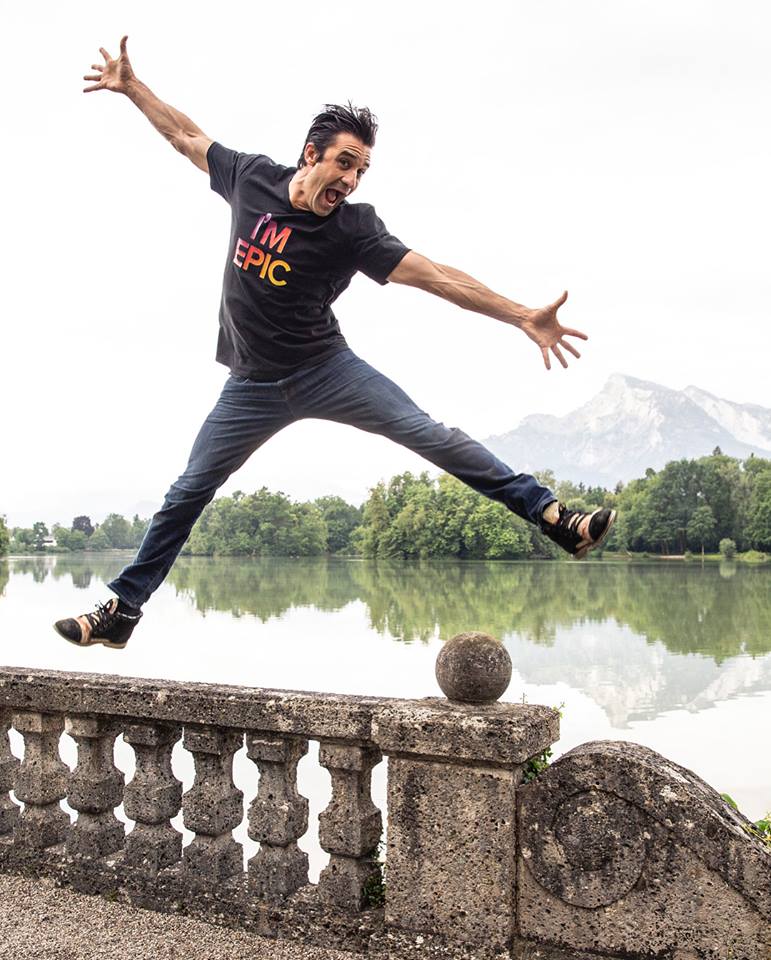
It was an incredible event. The road, the stories, the doctor and researcher we met. Things are very hopeful because amfAR is putting their money into young researchers, with new minds, new ideas and new technology. It’s being very effective. We’re getting very close to a cure. Very close. Lots of money goes to medicine and we need to also give money to research. I want this to be like polio. Get a vaccine when you’re young and you won’t get this horrible disease. It would be so lovely, don’t you think?
LM: Yes. I can’t even imagine what the scenery on that ride would be like!
GM: It was gorgeous. Mountains and lakes and next thing you know you have trucks passing you at 120 miles an hour. I’m thinking, “What’s going on, is there a bomb exploding behind me?” and I realize, I’m on the Autobahn in Germany.
LM: That’s gotta be crazy!
GM: I was scared! I had a BMW GS 1200 and those bikes can go fast! Guess what? When you go fast, you pay attention. Everyone was really focused except us who were really focused on the scenery. I realized I was on the Autobahn because the asphalt was not the same. It was beautiful and thick. You don’t want to hit a deer at that speed!
LM: What is your best memory this year?
GM: I think the best memory I have this year is when I climbed in the little village where the story of Waiting for Anya happened. We had to climb with the sheep and the little kids to the other side to cross into Spain. That is the rescue the did back in the days. We were pretending to have the kids be shepherds and they were young Jewish kids. It’s cultural to use the kid, use the woman, use the pigs, use everything and we all go up with the cows and the sheep. So, the Germans were believing that.
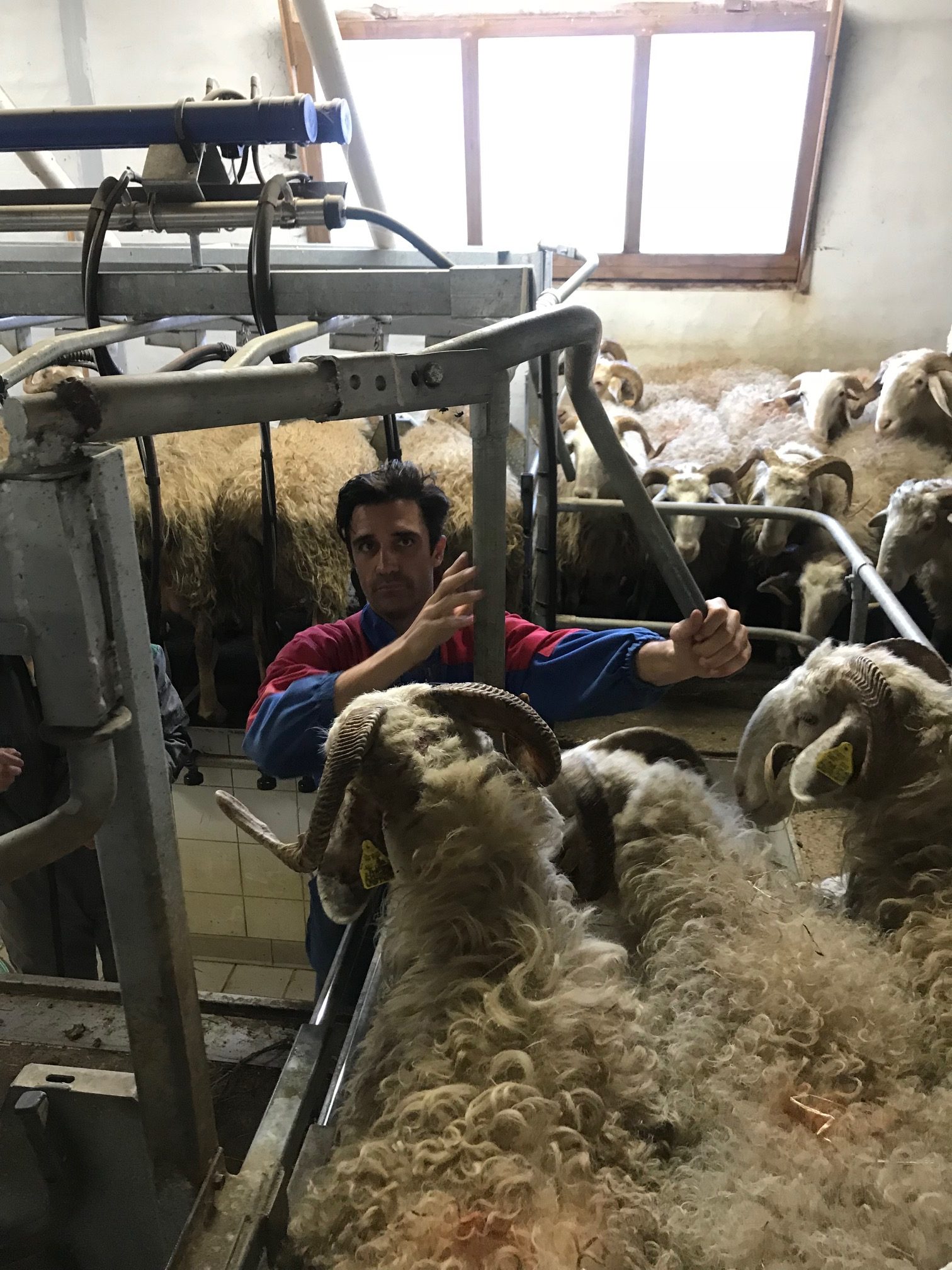
I went from 191 to 157 in my weight. Then when I got there doing the role, I wanted to walk the same path these men took to Spain. Except I did it too early and it was full of snow. The day I did it I thought, “Yay, it’s finally sunny today.”
When I went, we got hit with two avalanches. It was probably the scariest moment of my life. In my mind, I’m thinking, “You’re probably going to die now” and I recorded every second of it. I never released the video because people would probably say, “You’re crazy, Dude!”
LM: Oh wow, Gilles!
GM: I was studying my friend. I wanted to feel the pain they went through to go and climb those mountains and the danger it brings. I wanted to feel the intensity of the frozen legs. I was with my friend Thomas. He’s a guide in Iceland and he’s never seen this. He was like, uh oh. We’re in trouble. It was an incredible moment of our life.
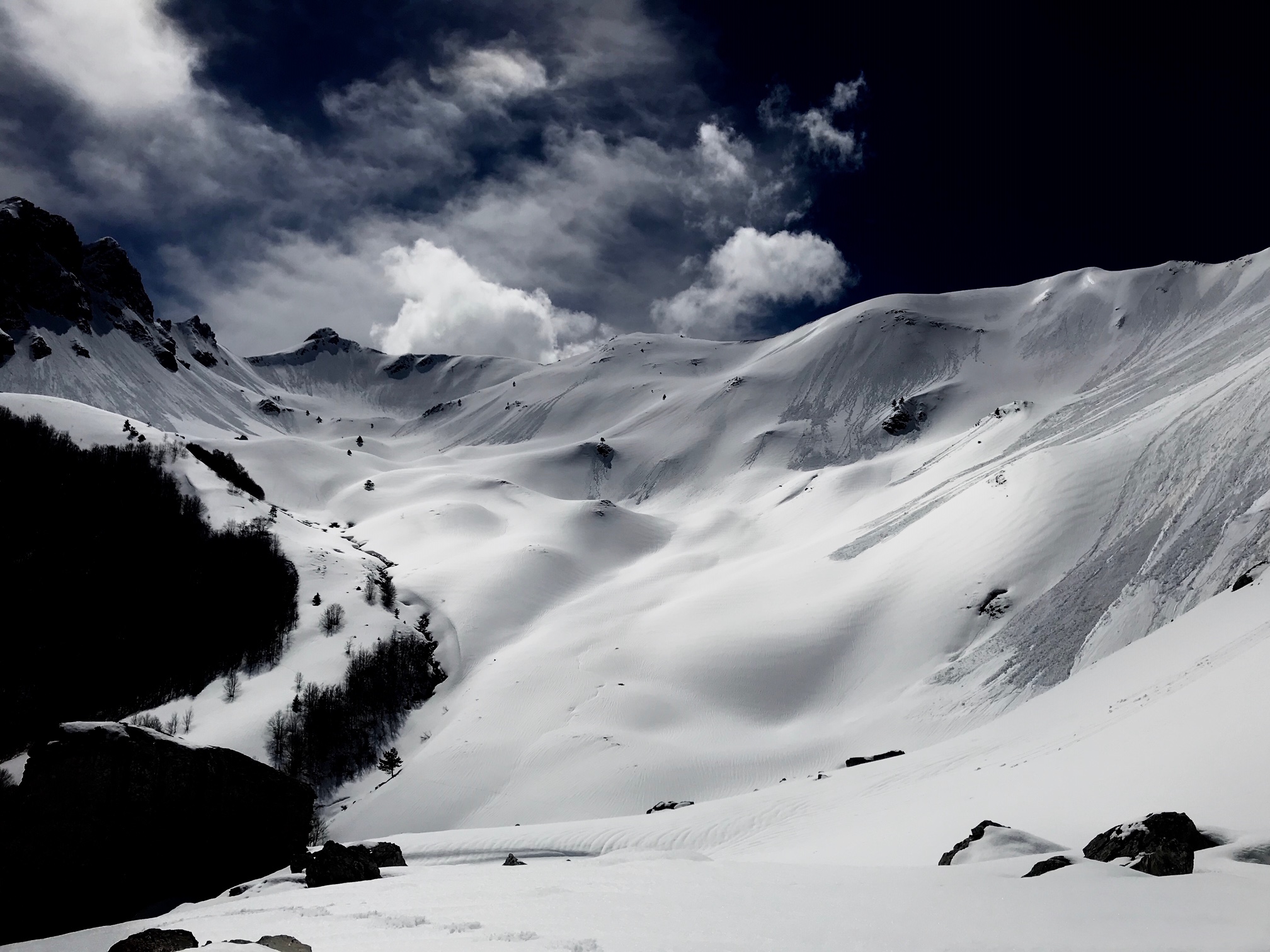
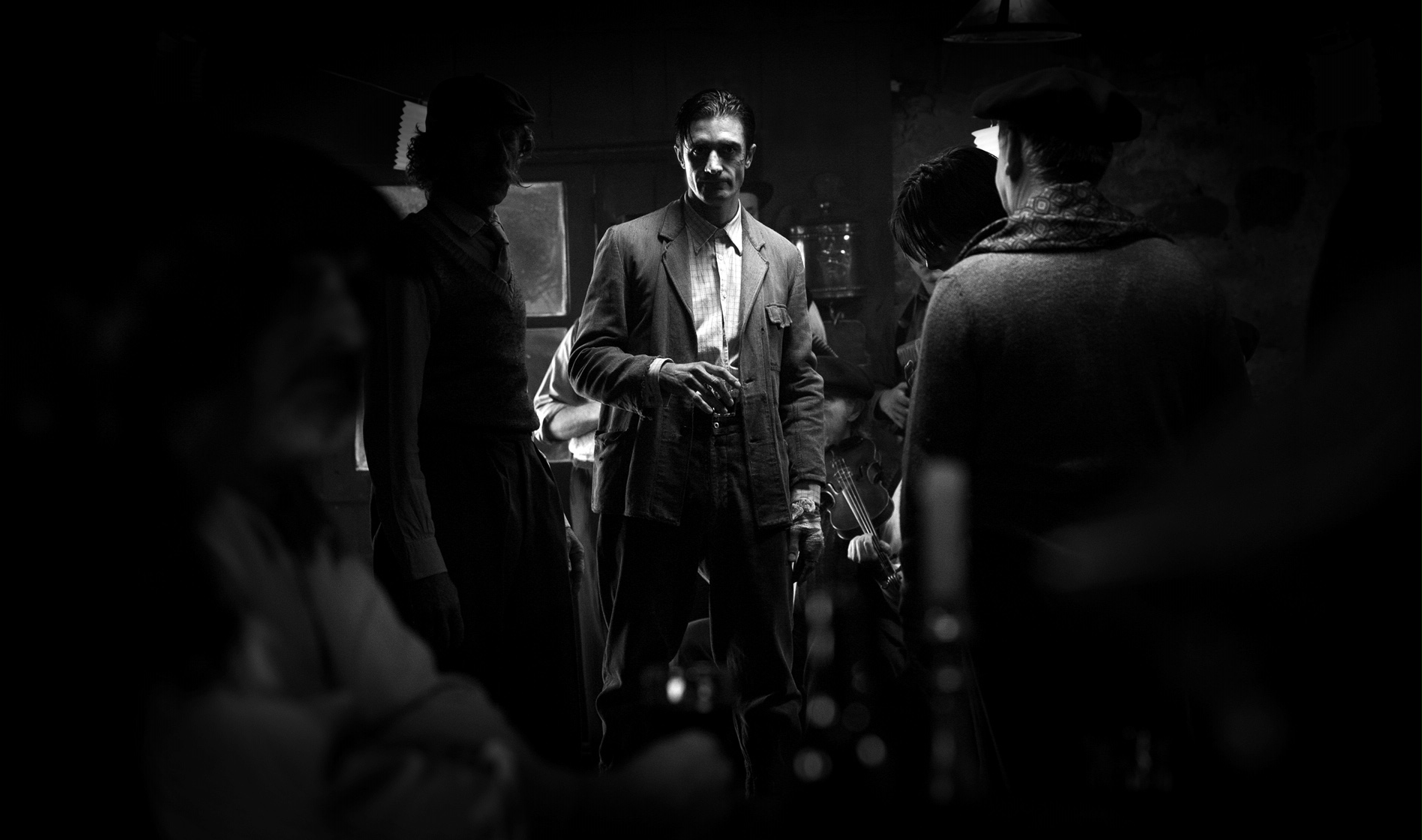
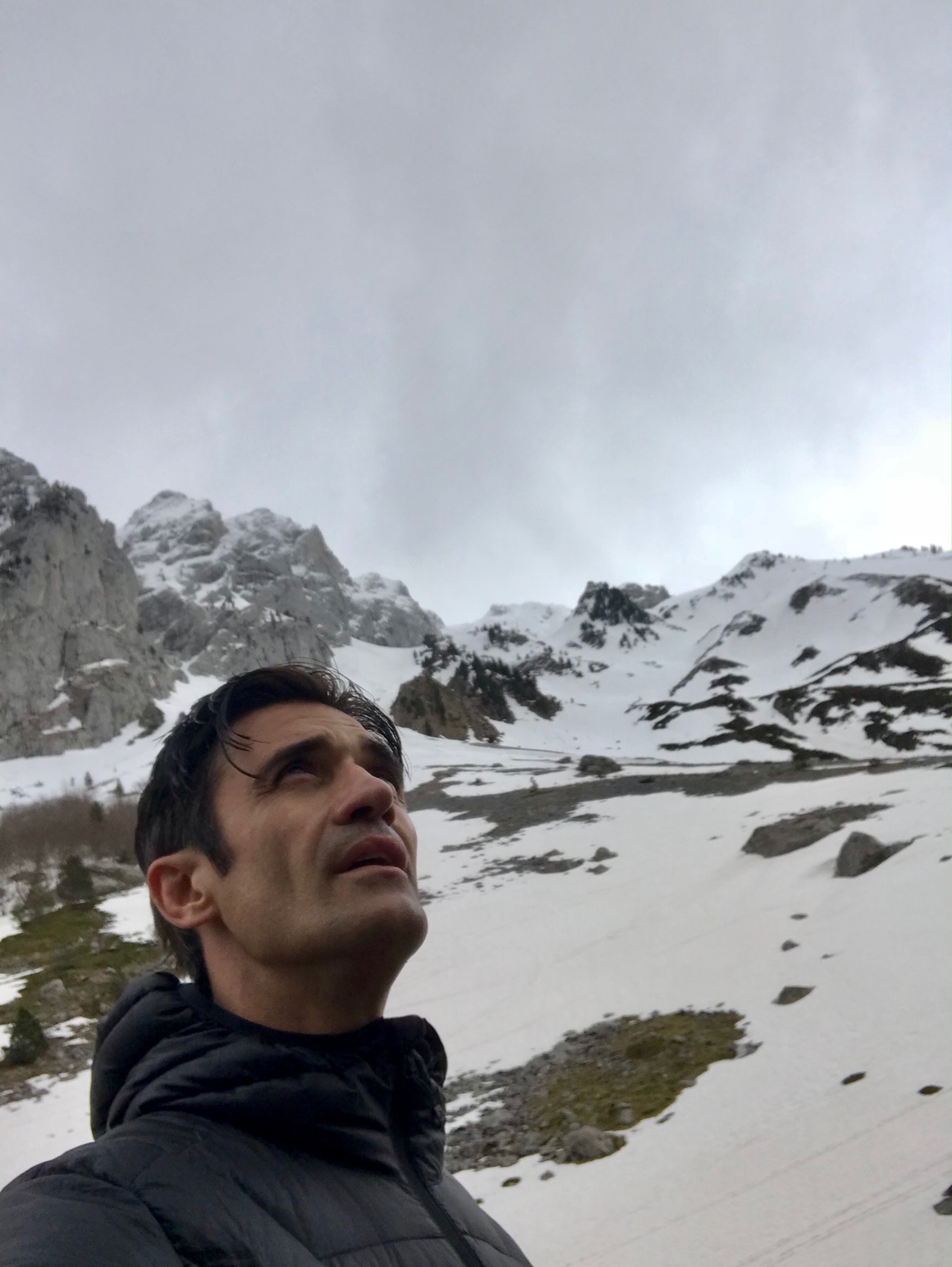
An avalanche went through in front of us and we were so close to Spain, we had to go. So, we had to walk where avalanche went through in front of us. It was the colors of green and blue like you’ve never seen. Because of the way the light hit the snow then we realized something was moving under us. We crossed that and realized, now we’re really blocked because there’s no more tree to grasp on and another avalanche to pull the tree down and we couldn’t see them.
We had to turn back 300 or 400 feet before the border. So, I waited a couple days later, when it was snowing so there was no avalanche. I took a different path and I made it. And this time I made it alone.
It was a very surreal moment because I felt I was somebody was following me. Keep in mind, I don’t know if there were bears or animals that could eat you like in America, like a mountain lion.

I was hearing a lot of noise and I was alone – hours away from any life form, no reception. There were streams everywhere and I finally reached my goal and when I reached my goal, I saw hundreds of white deer and they followed me for hours and I never understood why.
When I told that to village people, they looked at me like I was lying and said, “We get one.” I said, there was a lot of them, they were circling me. I showed them the video. They were jumping around the bar, saying “No way! Where was that?”
What I realized, is no one goes there. There were no traces of animals walking. The animals, they know that, so they go down as low as possible. I was too much of an early stranger to them. That’s why I believe they followed me. I’m in the border of Spain, alone, it’s snowing, and all those guys are looking at me like, “What’s up, Dude?”
In my jacket, I had a sandwich I was saving for the border. In the video, I said I came to feel what I had to feel for my character and I also came to have lunch. It was the perfect time because I left at 6:30 in the morning and got there around 1:00. Then I had go back down, so most of it I ran, I wanted to go fast down.
The third time, I went with two brothers – one was 12, one was 20. We took a different path and a dog, and it only took us 2 ½ hours. It was easier, because they knew the path. We were hiding where the Germans didn’t have any posts – because it was the second World War, they didn’t see anyone coming into the mountain. My character knew exactly where to go to not get killed.
This experience is the climax of my career, but also the climax of this year for sure. Trying to feel as much as possible what my character did feel. And that I would never be able to replicate, this man spent four years in the camp, tortured and all that, I would never feel that. I went through as much pain as possible to make people understand what this man is going through. It was a beautiful experience.